
Wonderful Waxcaps and Why they matter
Date
11-12-2025
Image

Searching for Waxcaps
On November 4th NBRC visited Barford Meadows on the search for Waxcaps. But what are waxcaps and why are they important?

Searching for Waxcaps
On November 4th NBRC visited Barford Meadows on the search for Waxcaps. But what are waxcaps and why are they important?
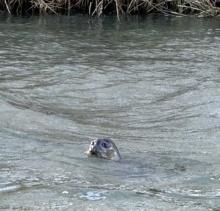
An unlikely combination but just a few of the unusual species seen across the county in the last few years, thanks to the curiosity of three Northamptonshire residents.
Seal
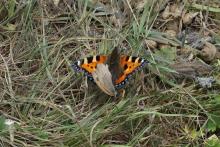
Earlier this year I received a couple of butterfly records from a survey carried out near King’s Cliffe in 2022. A Meadow Brown and a Small Tortoiseshell. However, this record really stood out because, amazingly, they were mating. Not mating with members of their own species but mating with each other!

Butterflies are the focus of our latest survey. With 57 resident species in the UK and two regular migrants, they are a fantastically diverse and colourful species group to look out for. At the base of the article you will find a recording form where you can add your sightings.
Being so diverse the NBRC thought it would be a good idea to put together a guide for spotting few notable species to get you started. There is also a link to the Wildlife Trust for Beds,Cambs and Northants’ spotters page for if you’re feeling even more adventurous!
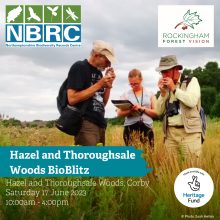
NBRC, in partnership with the Rockingham Forest Vision and the National Lottery Heritage fund, will be hosting a Free

You can help Northamptonshire’s hedgehogs with our new survey.
These charismatic mammals are a much-loved species of our country, but since the millennium, we have lost 30% of them.
By mapping hedgehog sightings from the public, conservationists can gain a better understanding of the species’ population and distribution and can plan how to help them.
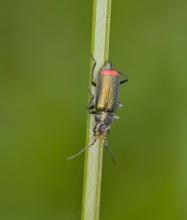
The Northamptonshire Invertebrate group is running a series of field trips this year and is looking for keen invertebrate recorders to come and join them. Beginners looking to learn about recording are welcome to attend and develop their skills.

It will soon be time to look out for and report beeflies in Northants. They usually emerge in mid-late March but it is possible that some could be found in late February in mild, sheltered spots. Until 2018, we only had one species in Northants. This was the widespread Dark-edged Beefly, Bombylius major.
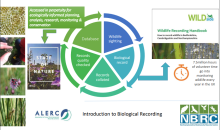
Biological Record Centre Data must stand up to legal scrutiny; thus, the team must ensure completeness, accuracy and precision in the database. Biological record validation & verification is an ongoing process.
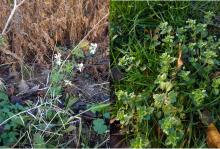
Annual 'flowering' plant hunt to start off the recording year.